 Modern Residential Elevators: A Luxury Upgrade for SC Homes
  Why More Couples Are Choosing Bespoke Engagement Rings in London – And What You Might Not Know About Man-Made Diamonds
  From Classic to Contemporary: The Rise of Three Stone Lab Created Diamond Rings
  Investing vs Saving: Why Putting Money to Work Counts
  What You Should Know Before Calling a Child Pornography Attorney
  Lab Diamonds HPHT: A Practical Buyer Guide
  Bridal Set Rings NZ Guide for Modern Couples
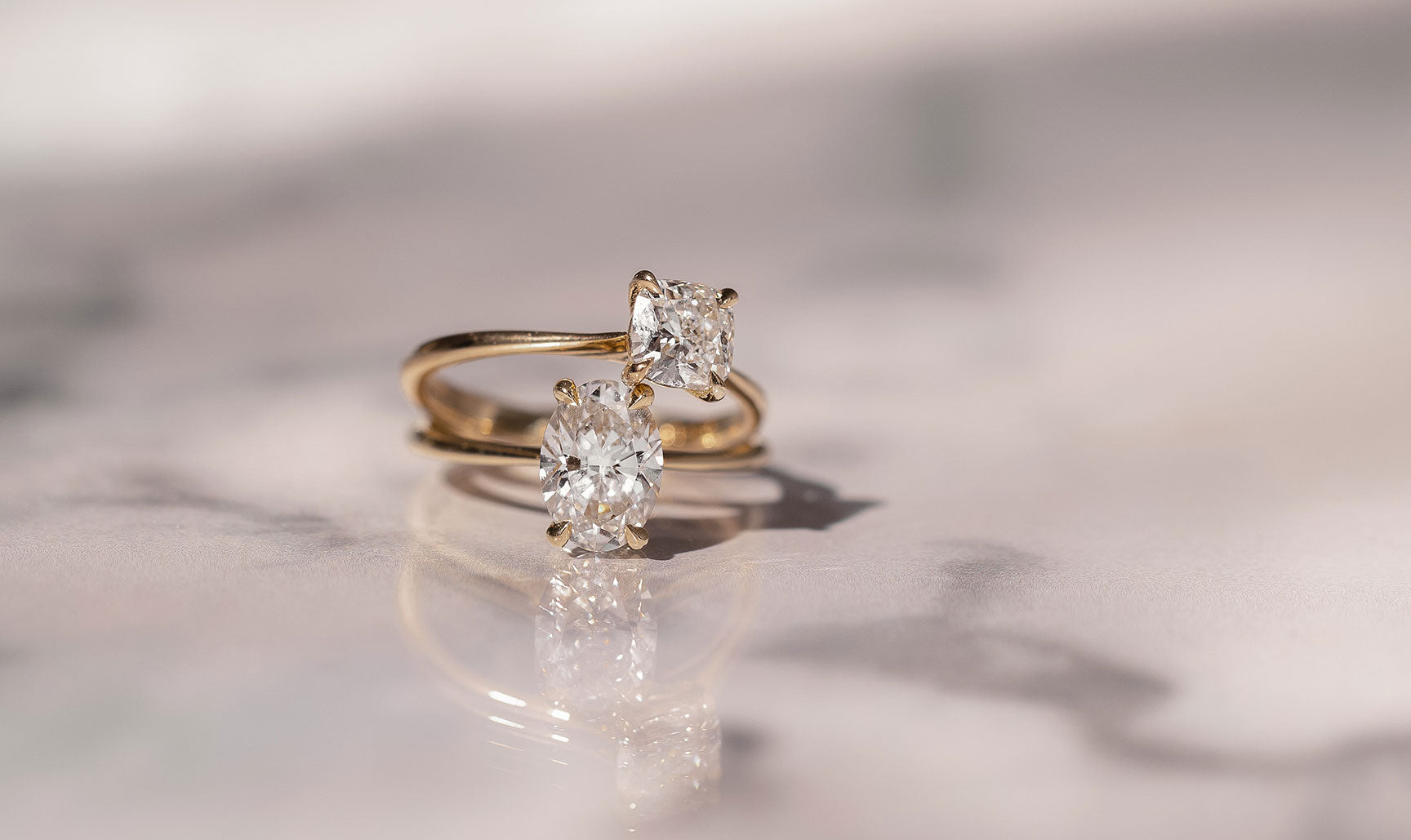
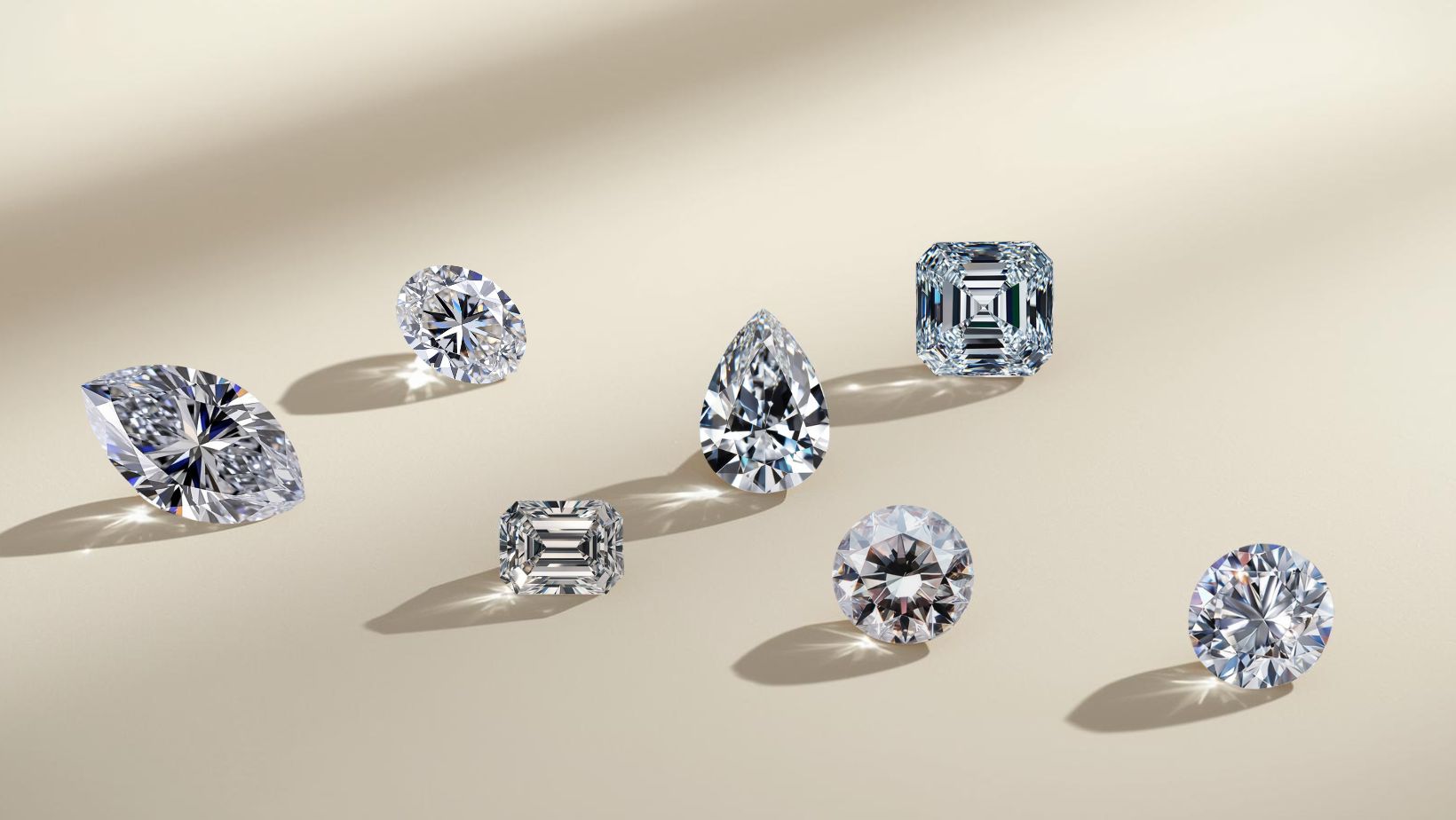
 In recent years, the jewelry market has seen a significant shift with the rise of lab grown diamonds. Once considered a niche option, these gems have grown in popularity due to their ethical sourcing, environmental benefits, and affordability. For those searching for a stunning, high-quality diamond without the traditional cost or moral concerns, lab created diamonds offer an appealing alternative.
Unlike mined diamonds, which require extensive excavation and often involve complex ethical concerns, lab grown diamonds are produced in controlled laboratory environments. These stones are chemically, physically, and optically identical to natural diamonds, making them virtually indistinguishable even to trained gemologists. The appeal lies not only in their flawless beauty but also in their sustainable production, which reduces the environmental footprint associated with traditional mining.
What Makes Lab Grown Diamonds Unique
Lab grown diamonds, sometimes referred to as cultured or synthetic diamonds, are created using advanced technological processes such as Chemical Vapor Deposition (CVD) or High Pressure High Temperature (HPHT). These methods replicate the natural conditions under which diamonds form over millions of years but achieve the results within weeks or months.
One of the biggest advantages of choosing these diamonds is the level of customization available. Because they are grown in labs, jewelers can control aspects such as size, color, and clarity with remarkable precision. This opens the door to personalized jewelry designs without the hefty price tag associated with similarly high-quality mined stones.
Moreover, buyers can take comfort in the fact that lab grown diamonds are conflict-free. Ethical sourcing is a major concern in the diamond industry, as traditional mining has historically been linked to human rights violations and environmental degradation. By choosing a lab grown diamond, consumers can enjoy their jewelry with confidence, knowing that no unethical practices were involved in its creation.
The Cost and Value of Lab Grown Diamonds
Affordability is a key factor driving the popularity of lab grown diamonds. Because these stones bypass the expensive mining and distribution processes of natural diamonds, they generally cost 20–40% less than comparable mined diamonds. This price difference does not compromise quality; a lab grown diamond of the same carat weight, color, and clarity will have the same sparkle and brilliance as a naturally occurring stone.
For couples investing in engagement rings or for collectors looking to expand their jewelry portfolio, lab grown diamonds provide an opportunity to purchase larger or higher-quality stones within a reasonable budget. Many jewelers also offer certification from reputable gemological labs, ensuring the authenticity and quality of each stone.
Environmental Benefits of Lab Created Diamonds
Sustainability has become a major consideration for modern consumers, and lab grown diamonds offer a clear advantage in this regard. Traditional diamond mining is resource-intensive, involving large-scale excavation, water consumption, and energy usage. It also often results in deforestation and soil disruption.
In contrast, diamonds grown in laboratories require far less land and water, and they generate significantly fewer carbon emissions. Some manufacturers even use renewable energy sources in their production facilities, further reducing the ecological impact. By choosing a lab grown diamond, environmentally conscious buyers can enjoy the luxury and elegance of a diamond while supporting a more sustainable future.
Tips for Buying Lab Grown Diamonds
When deciding to buy lab grown diamonds, it’s important to consider a few key factors to ensure a wise investment:
-
Certification – Always look for a gemological certificate from a recognized lab, such as the Gemological Institute of America (GIA) or the International Gemological Institute (IGI). This verifies the diamond’s quality and confirms it was lab grown.
-
Cut, Color, and Clarity – Just like natural diamonds, lab created diamonds are graded according to the 4 Cs. Pay attention to these details to ensure your stone meets your expectations.
-
Reputable Jewelers – Purchase from trusted sources that specialize in lab grown diamonds and offer transparency in pricing and quality.
-
Long-Term Value – While lab grown diamonds are less expensive upfront, they generally retain their beauty indefinitely. Keep in mind, however, that resale value may differ from natural diamonds due to market perception.
Conclusion
Lab grown diamonds are no longer just a modern novelty—they are a sophisticated, ethical, and environmentally friendly choice for anyone seeking high-quality jewelry. With their stunning brilliance, customizable options, and lower cost, these stones offer an accessible and responsible alternative to traditional diamonds. Whether you are looking for an engagement ring, a gift, or a personal treat, buying a lab grown diamond allows you to invest in beauty and elegance without compromise.
In a world increasingly focused on sustainability and ethical consumption, these diamonds represent not only a wise financial decision but also a conscious choice. By understanding the benefits and carefully selecting your stone, you can enjoy all the allure of a diamond while supporting innovation and responsibility in the jewelry industry.